Tornado Safety Without a Basement: Where to Go and What to Do
Tornado Safety Without a Basement: Where to Go and What to Do
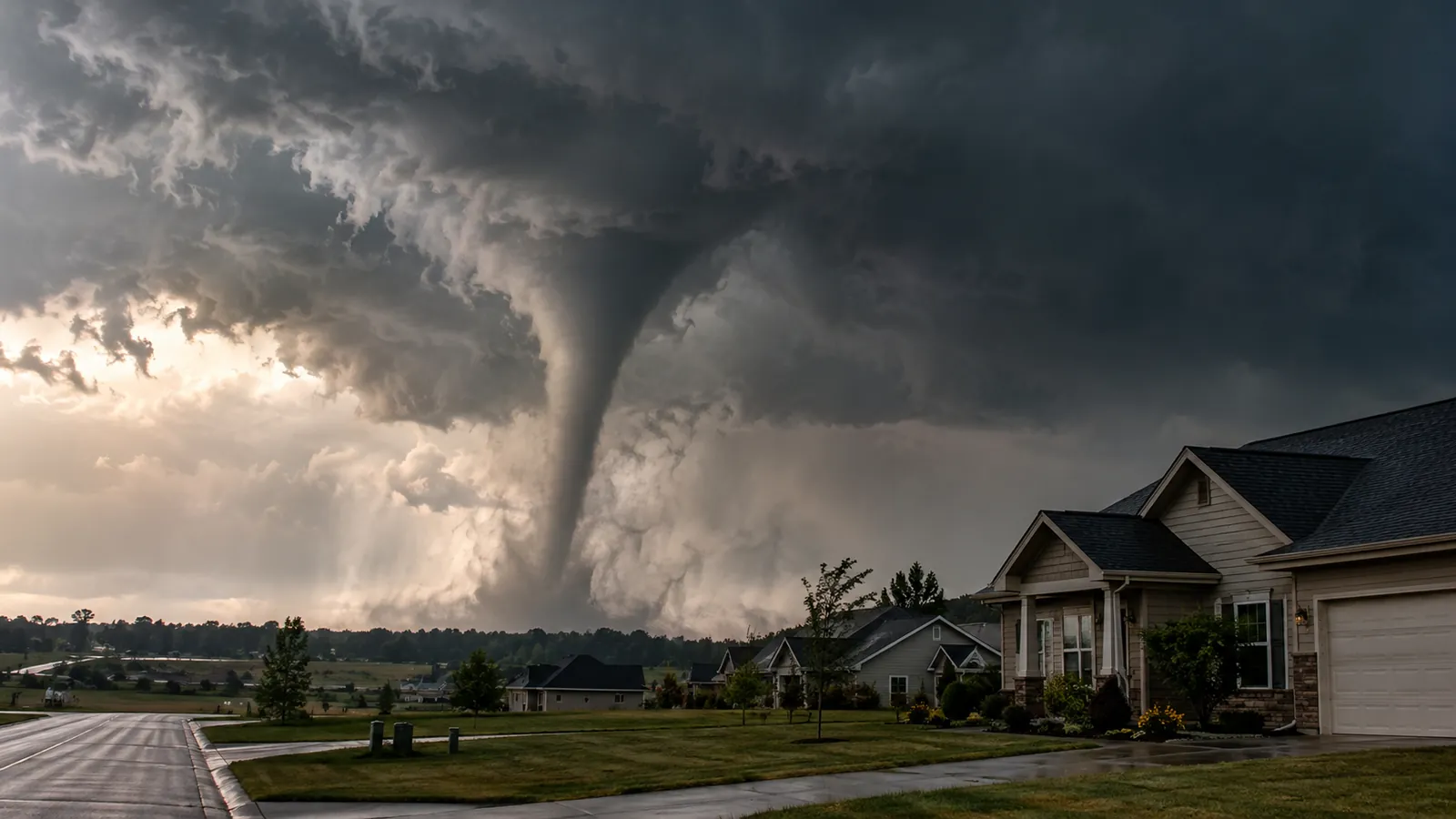
You can live in tornado country for years without ever seeing one. That's part of what makes preparing for them difficult. Most days the hallway closet is just where you keep coats and shoes. Then a warning appears on your phone, the wind changes, and you have to decide where everyone in the house is going to fit.
A basement is an excellent place to shelter, but plenty of houses don't have one. Slab foundations are common across much of Texas and the South. People in those houses still need a real plan, not a vague instruction to “get somewhere inside.”
The most useful thing you can do is choose your shelter spot on a calm afternoon. A warning is the wrong time to compare bathrooms, move bicycles, and find out which closet is locked.
Choose the room before the weather gets bad
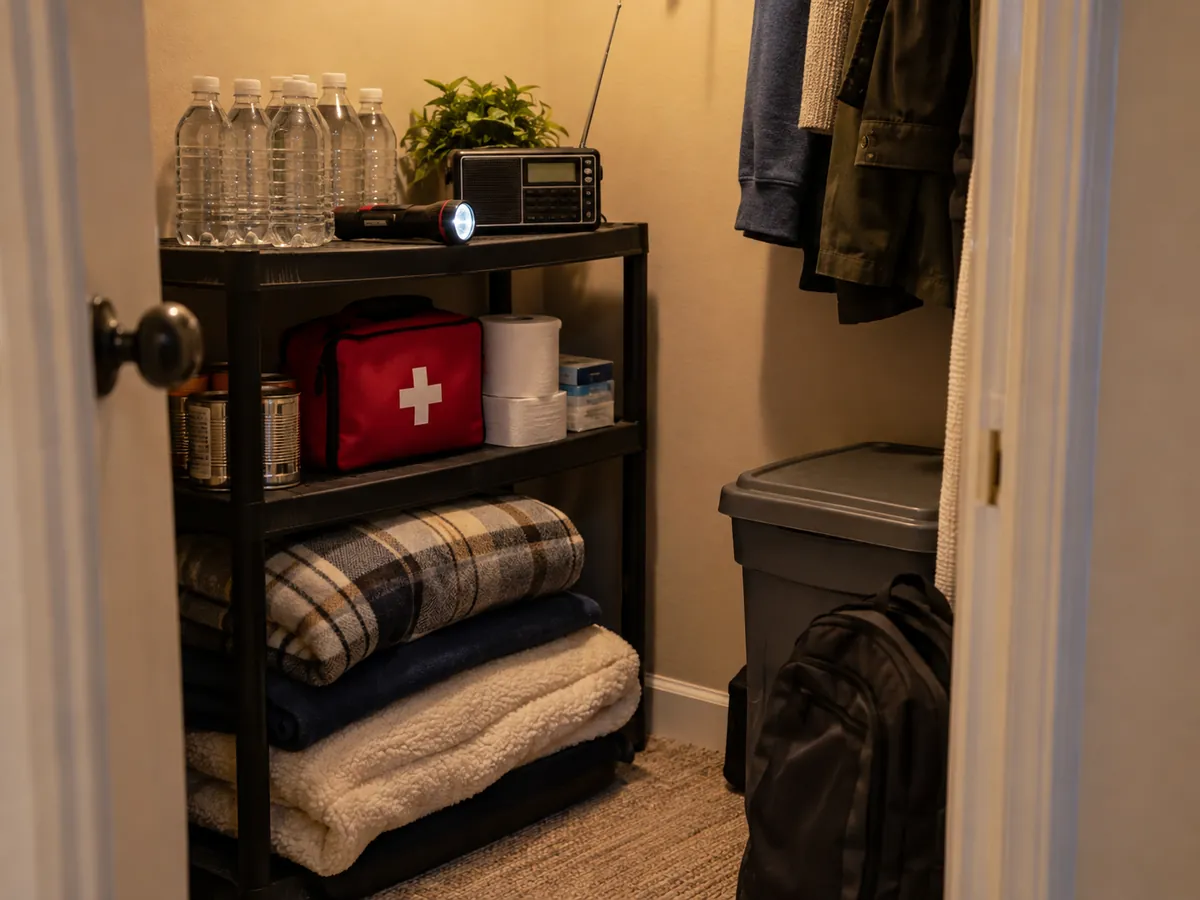
In a conventional, sturdy house without a basement or purpose-built safe room, look for a small interior room on the lowest floor, away from windows. An interior bathroom, closet, or hallway often fits the bill. The goal is to put as many walls as reasonably possible between you and outside debris.
Walk through your house instead of choosing from memory. Is that bathroom against an exterior wall? Does the hallway end at a glass door? Does the closet have shelving loaded with heavy boxes that could fall? A room can be technically “inside” and still have hazards you can reduce.
Some families choose the downstairs bathroom because it's central and has no window. Others use a closet under the stairs. Don't assume one is automatically better without looking at the actual building. A well-built storm shelter or safe room designed for tornado winds offers greater protection than an ordinary interior room, but an interior room is the practical fallback for many houses.
If you rent, you may not be able to change the construction. You can still choose a spot, clear a space on the floor, and make sure every person who stays there knows it.
A room isn't ready until everyone can get into it
The next challenge is not weather. It's ordinary household clutter.
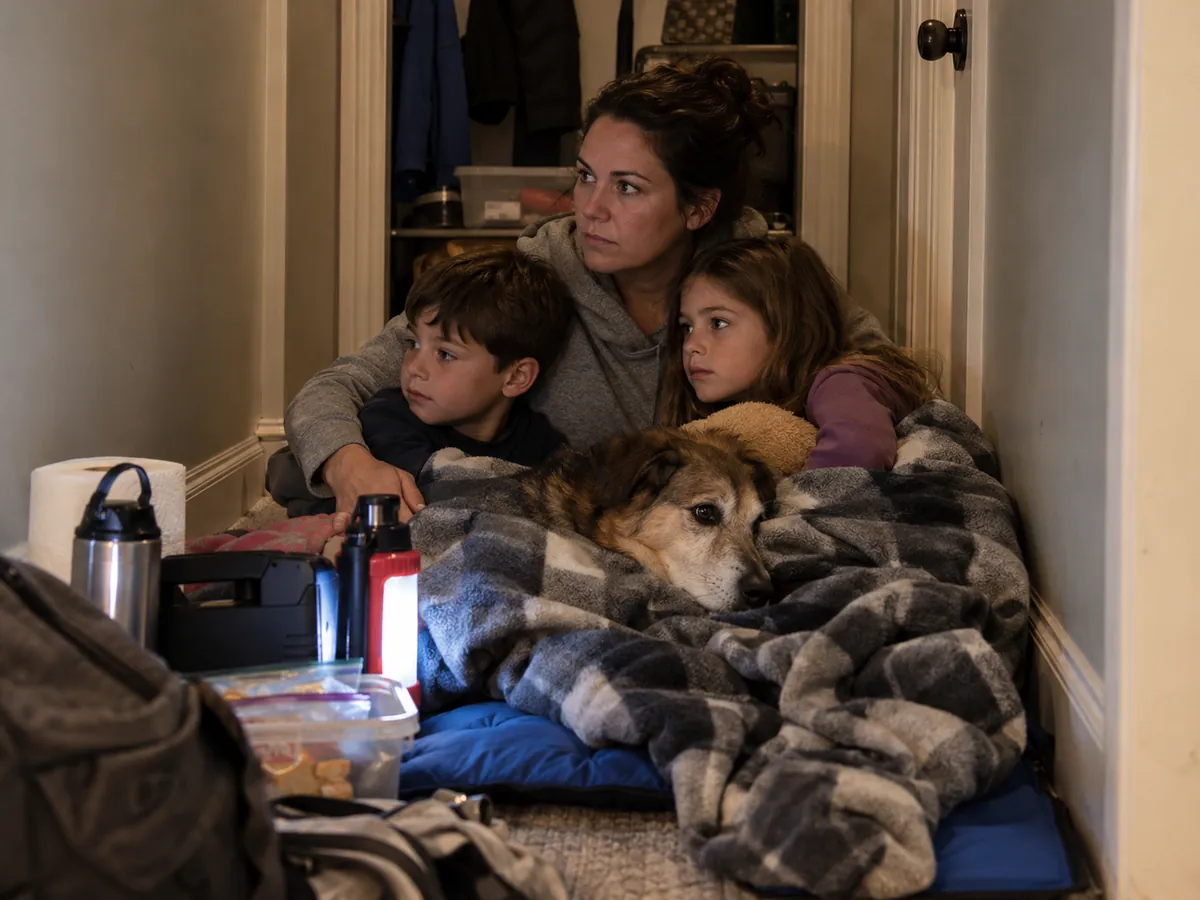
Pull the laundry baskets out of the closet. Move breakable storage bins to a different shelf. If there are two adults, three children, and a dog, make enough room to get everyone down low. You may discover that your first-choice room is too small or difficult to reach for someone who uses a walker.
For a person with limited mobility, plan the route in advance. If descending stairs takes several minutes, waiting until a warning is issued can be too late. The National Weather Service recommends that people who need additional time consider moving into position earlier, when a tornado watch or threatening conditions make action sensible.
Put sturdy shoes near the shelter location. Broken glass and nails can be hazards after a storm. A flashlight or battery lantern, a charged phone, and a way to receive weather alerts belong within reach, not buried under seasonal decorations.
Keep the larger household supplies organized elsewhere. During a prolonged outage afterward, having a workable plan for 72 hours without electricity or running water becomes valuable, but carrying a giant emergency tote through the house after the warning sounds makes very little sense.
Protect your head, not the television
Once everyone is inside the shelter spot, get low. Crouch or kneel and protect your head and neck. Pillows, heavy blankets, a mattress, or a helmet already within reach can add protection from debris. The National Weather Service specifically emphasizes protecting your head because flying objects are a major danger in tornadoes.
A bicycle helmet isn't a substitute for good shelter. It is an additional layer when available. Don't leave the interior room to find one once the danger is immediate.
Children should know this routine before you need it. Have them practice sitting low with their hands over their heads. Explain the drill calmly: when you say it's shelter time, everyone goes to this room and stays there until an adult says otherwise.
For pets, keep a leash or carrier nearby if practical. An anxious animal may hide. Trying to chase a frightened cat through the house as the warning expires can put everyone at risk. Pets are part of the plan, but the people in the house must get protected first.
Understand the difference between a watch and a warning
A tornado watch means conditions are favorable for tornadoes. It's a prompt to pay attention, confirm where people are, charge devices, and make sure the shelter spot is ready.
A tornado warning means a tornado has been detected by radar or reported. If the warning applies to your location, take shelter immediately. Don't wait to hear a siren or see a funnel cloud. Rain-wrapped or nighttime tornadoes may be invisible until they're dangerously close.
Outdoor sirens are not designed to be your only indoor warning system. A NOAA Weather Radio with alert capability, enabled phone alerts, and reliable local broadcasts offer additional ways to receive information. If the power and internet fail together, a battery-powered radio helps with the same household communications problems covered in communicating when cell towers and internet go down.
Set the alerts up now. During an emergency, you'll want the information to reach you without hunting through settings menus.
When leaving home is safer
The advice for an ordinary house does not apply equally to a mobile or manufactured home. These structures are particularly vulnerable to tornado winds, even when anchored. Identify a nearby substantial building or storm shelter, know how you'll get there, and leave early enough when dangerous weather threatens.
If you live in an apartment on an upper floor, find a designated shelter or the lowest accessible interior area of a sturdy building. Avoid large windows and broad open rooms. Talk with building management before severe-weather season about which spaces are available.
A school, shopping center, or office building may have a designated shelter area. If it does, follow the facility's plan. Large open spaces with wide-span roofs are generally poor shelter choices.
There is no magic direction to face in a tornado. The idea that one corner of the house is always safe, or that opening windows prevents roof damage, is not supported by current guidance. Opening windows wastes the time you need to get protected.
What if you're driving when the warning arrives?
A car isn't a dependable tornado shelter, and a highway overpass is not one either. The wind and debris around an overpass can make that location more dangerous.
If a sturdy building or designated shelter is reachable before the tornado arrives, use it. If you are caught in the open with no safe building available, options depend heavily on where the storm is, the road, nearby flooding, traffic, and your ability to move. The National Weather Service does not offer one last-resort action that is safest in every circumstance. Avoid trying to outrun a tornado through congested roads or driving into its apparent path.
This is why severe-weather awareness belongs in your travel plans. If tornado watches are active, postpone unnecessary trips and identify sturdy shelter locations along your route rather than assuming you can improvise from the driver's seat.
After the wind passes
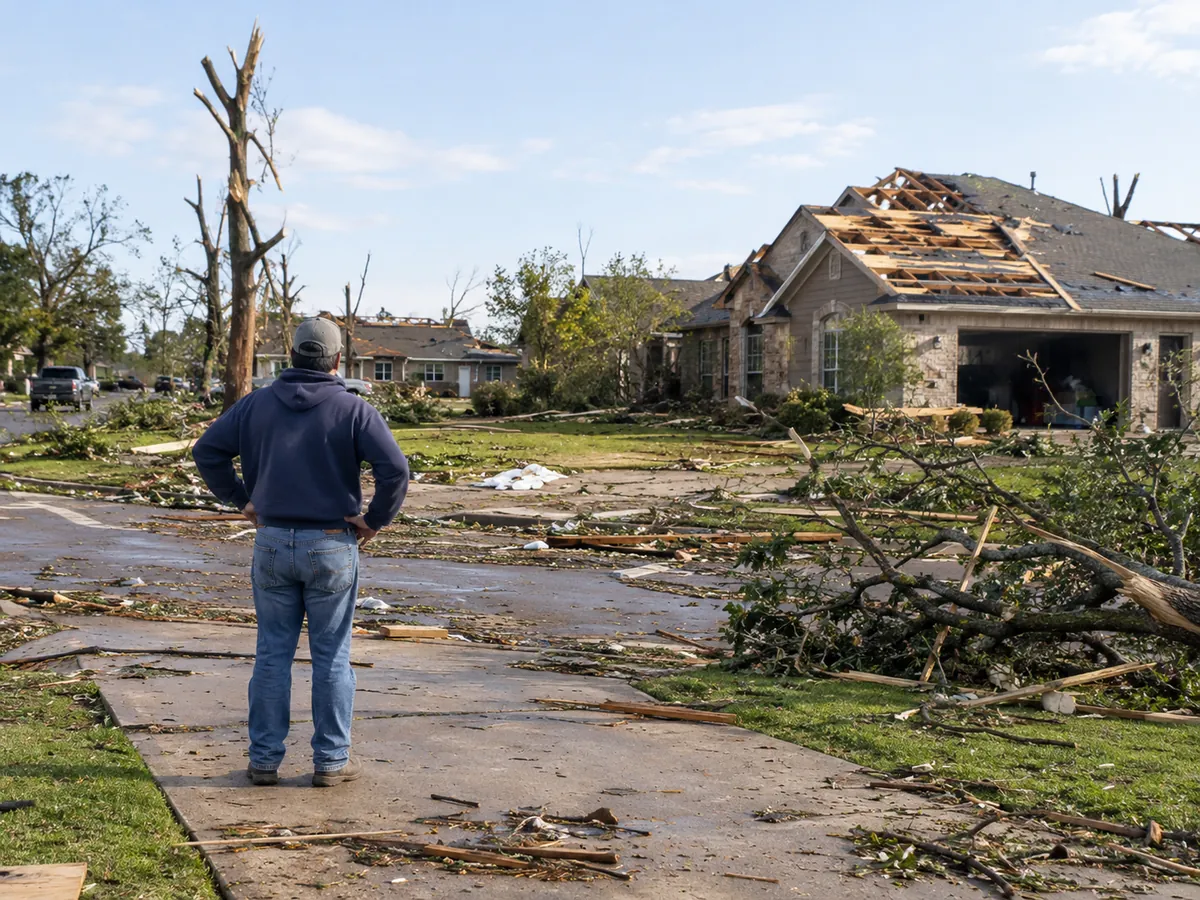
Don't rush outside because the sound changes. Wait for reliable information that the immediate threat has passed; a second storm may follow the first. Keep shoes on and watch for glass, splintered wood, exposed nails, and unstable walls.
Never touch a downed electrical line or anything it may be contacting. Stay away from damaged buildings, exposed electrical equipment, and standing water near electrical hazards. If you smell gas, leave the area and contact emergency services or the utility from a safe location. Use flashlights instead of candles.
Check people for injuries and call for emergency assistance as needed. Texting a short status update may work better than repeated calls when networks are overloaded. If anyone is trapped or seriously injured, do not move them unnecessarily unless there is an immediate danger.
The house may be damaged enough that staying the night is not sensible. Decide ahead of time which nearby family member, friend, or shelter you would use if you cannot remain at home. A packed bag and copies of important information can help after the immediate weather threat, but none of those should delay taking shelter during the warning.
Do a five-minute drill this week
You don't need to simulate a tornado. Just tell everyone that a warning has been issued and see what happens.
Does somebody run upstairs for shoes? Does the youngest child head for a window to look outside? Can the person who moves slowly reach the chosen room? Is the flashlight still where you left it?
Make one change based on what you learn. Move the shoes. Clear the closet. Replace the dead batteries. Put a leash on a hook. Then do it again another day.
Tornado preparedness has a way of sounding complicated when it's written as a shopping list. At home, it comes down to a few decisions: know the warning, get to the right room, get low, protect your head, and stay there until the danger passes.
Those decisions are easier to make when you've already made them once.