How to Stay Warm During a Winter Power Outage
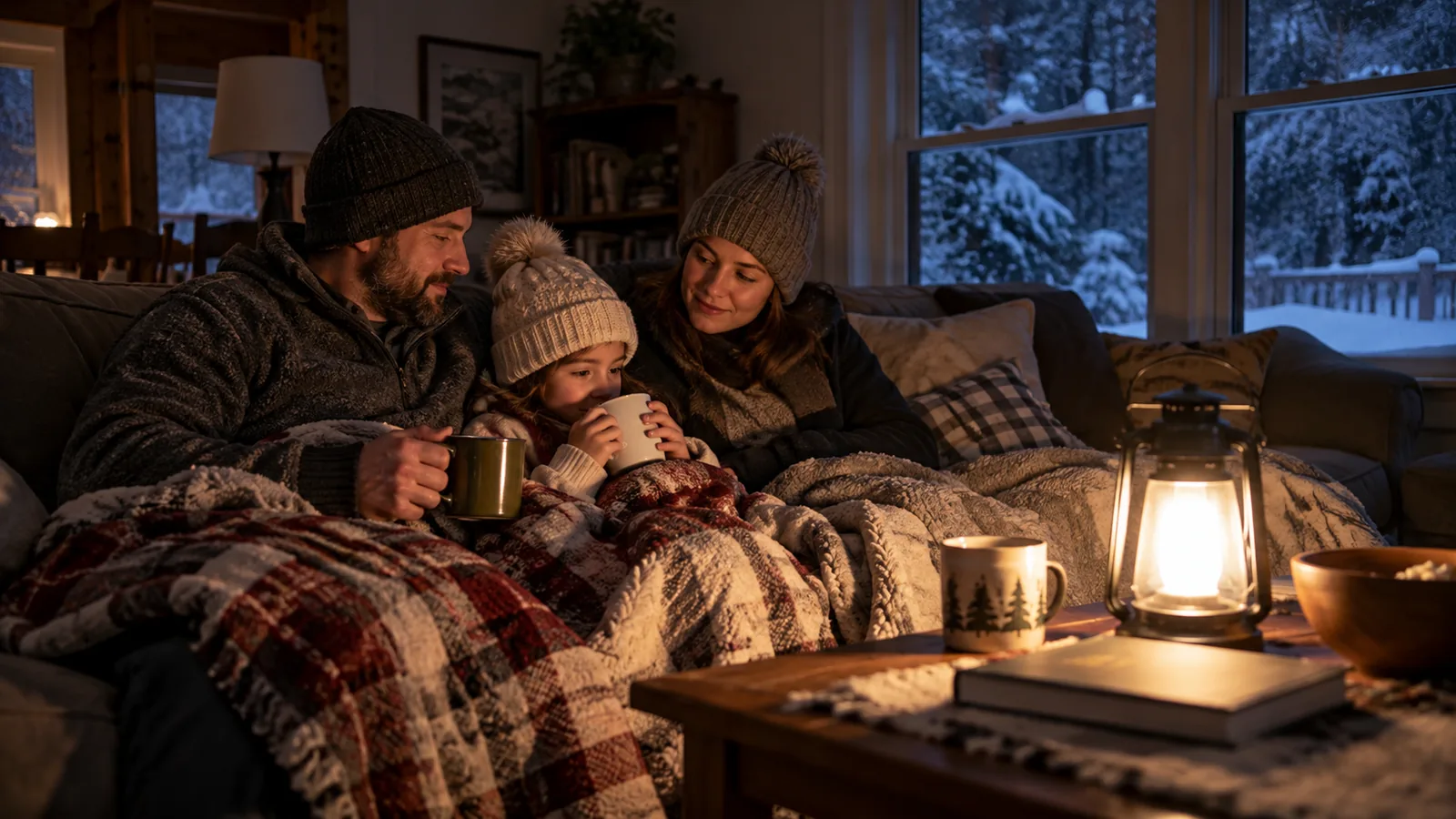
When the heat stops on a cold night, most houses do not turn dangerous in the first five minutes. They cool gradually, and that gives you time to make decisions. How much time depends on outdoor temperatures, wind, insulation, the home's starting temperature, and who is inside. A drafty old house in freezing weather is a different situation from a well-insulated home on a mild winter evening.
The first job is not finding something to burn. It is keeping the warmth already in the building, keeping people dry and dressed appropriately, and recognizing when the house is no longer a safe place to stay.
Find out what failed, then stop losing heat
Check whether the outage is limited to your house or affects the neighborhood. Use the utility's outage information if you have service, and keep a battery radio available for local alerts. If there are downed lines, do not approach them. If you smell gas, leave and contact emergency services or the utility from outside.
Close exterior doors and minimize trips in and out. Pick the rooms where everyone can spend the next few hours. You do not need to seal an occupied room airtight. You do want to stop heating the entire house with the heat coming off a handful of people.
Rooms with smaller windows, fewer outside walls, and doors that close are often easier to keep comfortable. Leave interior doors open only where it serves an actual purpose. Close curtains after sunset. On a sunny day, opening south-facing curtains may help a little while sunlight is reaching the windows, but close them again once the light fades.
Pay attention to drafts. A rolled towel at the base of a door is simple and removable. If the weather has exposed a genuinely leaky window, removable weatherstripping or a properly installed window-insulation film can reduce cold air movement. Follow the product instructions and keep required exits operable. Do not cover ventilation openings or obstruct doors you may need to escape through.
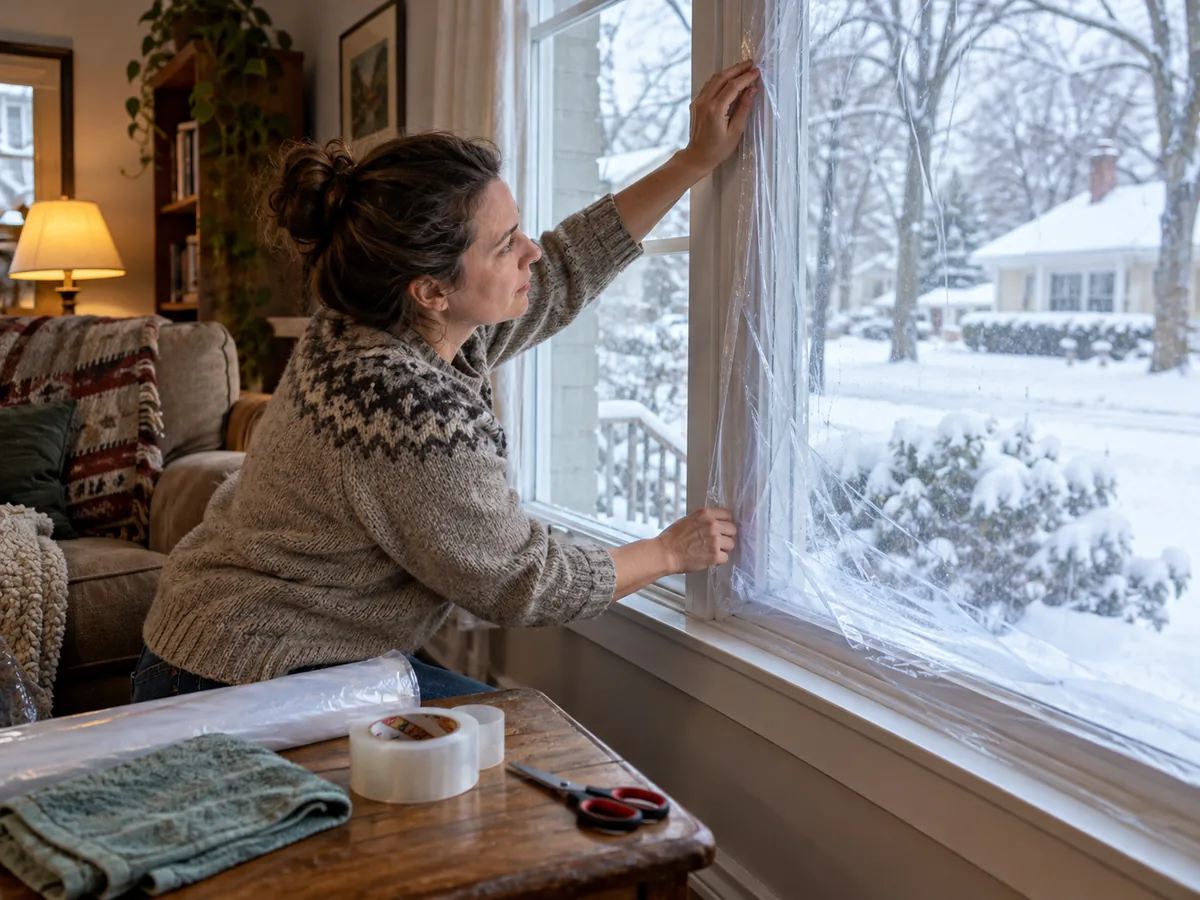
A useful test is to stand near the window or door and feel for moving air. You may discover that a single obvious gap is making one room unpleasant. Fixing that can do more for comfort than piling another blanket on the sofa.
Warm people before trying to warm the building
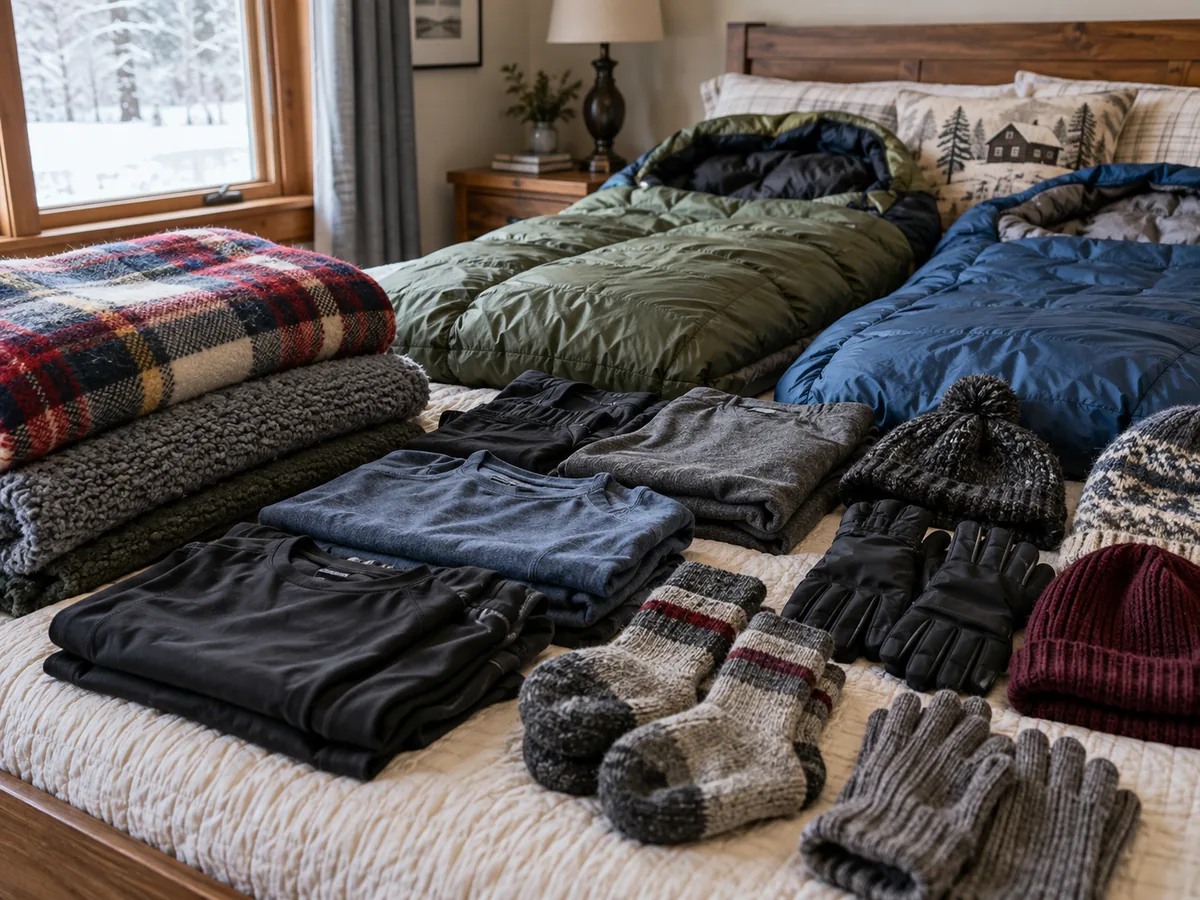
A sweater under a coat is not always the best combination indoors. Layers work by trapping air, and they work best when you can adjust them before becoming sweaty. Start with dry socks and a comfortable base layer. Add a fleece or sweater, then an insulating outer layer if needed. Keep spare dry clothing accessible, particularly for children who have been outside.
A hat can be useful when the room is genuinely cold. Warm socks are valuable because feet against a cold floor can make someone feel chilled all evening. Use blankets while sitting, and move around periodically if safe. Avoid exertion that leaves clothing damp, because wet clothing loses insulating performance.
Sleeping deserves more thought than sitting on the sofa. A sleeping bag rated for cold conditions, used as instructed, may help, but temperature ratings are not guarantees for every person. Extra blankets below a sleeper can matter as much as blankets above because bedding compresses under body weight. An inflatable mattress directly against a cold floor may be surprisingly chilly unless it has suitable insulation.
Check on people rather than assuming everyone feels cold the same way. Older adults, infants, and people with certain medical conditions may have difficulty regulating body temperature. If someone is unusually confused, drowsy, clumsy, or shivering severely, seek urgent medical help. Hypothermia can develop indoors.
The dangerous shortcut: improvised heat
It is tempting to reach for a camp stove, charcoal grill, gas oven, or generator when the temperature keeps dropping. None is an appropriate improvised indoor heater. Carbon monoxide is invisible and odorless, and fuel-burning appliances can produce deadly levels without warning. Never run a generator inside a house, attached garage, shed, or porch, even with doors open. Place it outdoors at least 20 feet away from doors, windows, and vents, with exhaust pointed away, and follow its manufacturer guidance.
Do not heat the house with an oven or stove. Do not use a camping burner indoors because it seems small. A fireplace or wood stove should be used only if it is properly installed, maintained, vented, and safe to operate. Make sure smoke and carbon monoxide alarms work on battery power or have functioning backup batteries.
A portable power station also needs a realistic job description. It can run compatible lights, communication gear, and perhaps a low-power heated item within its ratings. Most ordinary electric space heaters draw so much power that a portable battery empties quickly. Before relying on backup electricity, estimate appliance consumption the same way you would when determining whether a portable power station can keep your refrigerator running. Watts and available watt-hours decide the answer, not the marketing photograph on the box.
If you have an approved, permanently installed backup heat system, follow the equipment instructions and local requirements. Do not improvise extension cords, transfer switches, or fuel connections. A licensed professional should handle work that connects a generator to household wiring.
Food, hot drinks and water without the usual kitchen
A warm drink can make a cold evening more pleasant, although it cannot replace safe shelter and clothing. Keep a thermos available if you have a safe way to heat water. Prepare food that does not require elaborate cooking or lengthy access to a cold kitchen.
When electricity and gas are unavailable, cooking without either utility requires equipment designed for its location. Outdoor stoves stay outdoors. Cold sandwiches, nut butter, crackers, shelf-stable food and ready-to-eat canned meals may be better for a short outage than an elaborate hot dinner.
Protect stored water from freezing, but do not bring fuel-burning cooking equipment into the house to thaw it. Know the location of your main water shutoff. In prolonged freezing conditions, pipes may be at risk. Local utility advice and the home's plumbing design should guide decisions about water service, draining, and protecting pipes; do not operate unfamiliar valves blindly.
Set up the essentials before it gets dark
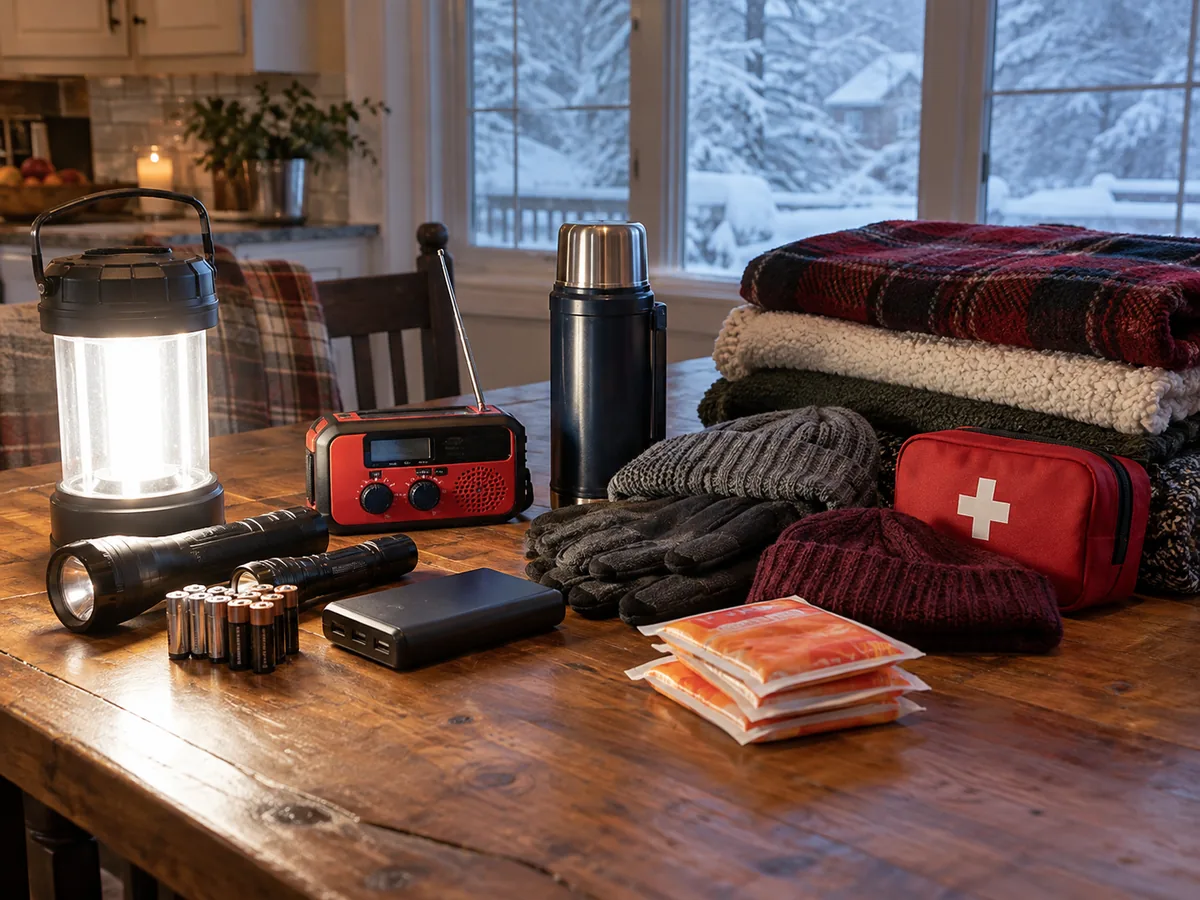
Move a lantern, radio, medicines, charging cables, shoes, spare clothing, and water into the room you plan to occupy. Check phone charge while power is available, and use a flashlight instead of candles for routine movement around the house. Make bathroom trips safe by clearing stairs and hallways.
Keep one room thermometer where you can actually read it. The point is not to obsess over the number but to notice the trend. If the temperature is declining steadily and the forecast is for an extended outage, start considering where you could relocate instead of waiting for discomfort to become a crisis.
An emergency bag, a working vehicle, nearby friends, or a local warming center may be the best backup. Watch for official instructions about road conditions and shelter locations. Never sit in a running vehicle inside a garage to warm up, even if the garage door is open.
Knowing when to leave is part of the plan
People sometimes treat staying home as a test of preparation. It isn't. A house that is becoming dangerously cold is not the right place to prove you bought enough gear.
Leave early when officials tell you to evacuate, someone needs powered medical equipment that cannot be supported safely, or the indoor environment is no longer safe for the people living there. Travel itself may be hazardous during ice or snow; weigh local conditions and follow emergency guidance. If you are trapped or someone shows signs of cold-related illness, contact emergency services.
Before winter, rehearse a twenty-minute version of this plan. Locate the draftiest room, check the carbon monoxide alarms, pull out the sleeping bags, verify the battery lanterns, and decide which warm place you would go if the outage lasted all night. Those ordinary decisions are what turn a frightening cold house into a manageable situation.