How to Start a Survival Garden That Actually Produces Food
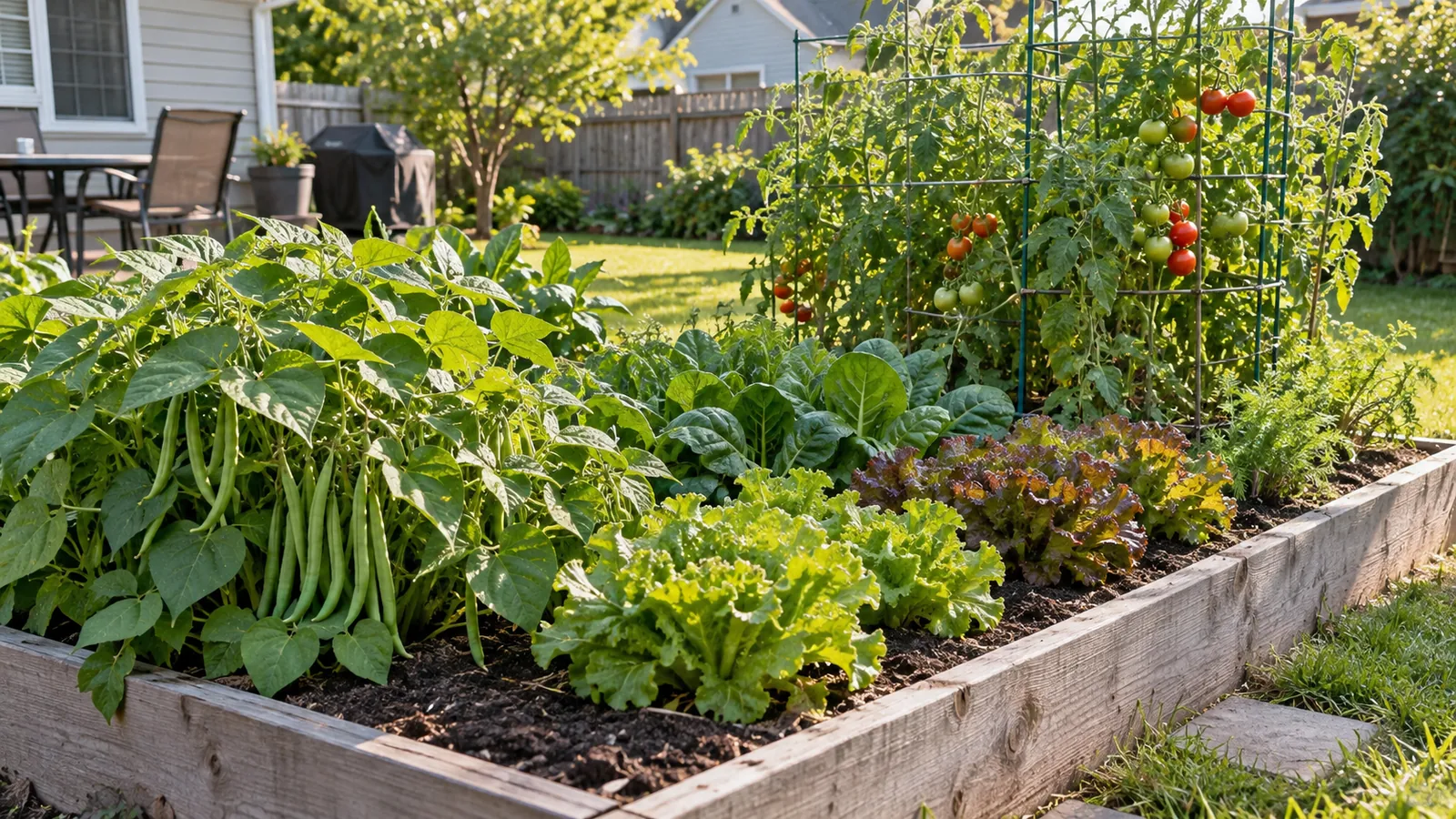
A photograph of a vegetable garden can be misleading. It shows the tomatoes at their ripest, the bean vines full, and the soil looking suspiciously free of weeds. What it doesn't show is the month when almost nothing was ready to pick, the squash vine lost to insects, or the water bill that followed a string of hot afternoons.
If you want a garden to contribute meaningfully to your family's food supply, it has to be measured by what you harvest and eat, not how much ground you plant. A small bed that gives you repeated meals is more useful than a sprawling garden that gets away from you by June.
Start with the meals on your table
Before buying seeds, look at what your household actually cooks. If you regularly use green beans, peppers, tomatoes, onions, and fresh herbs, those are worth exploring. If nobody wants kale, a beautiful row of kale isn't much of a food plan.
Separate crops into two groups. The first group makes meals better: leafy greens, herbs, salad vegetables, and fresh tomatoes. The second contributes more substantial food energy or storage potential: potatoes, sweet potatoes, dry beans, winter squash, and similar crops suited to your area. Both have a purpose, but a handful of lettuce doesn't replace a pantry full of rice, beans, and canned proteins.
Think of the garden as a seasonal addition to the meals already planned in your 30-day emergency food supply, not as an instant substitute for it. If the grocery store closed tomorrow, a newly planted garden would not feed you next week. Gardening builds resilience over seasons.
Choose the spot before you choose the crops
Sunlight determines what you can grow far more than an attractive raised-bed design. Many fruiting vegetables need six to eight hours or more of direct light; tomatoes and peppers often benefit from the upper end of that range. Leafy greens may tolerate a little more shade, particularly in hot climates.
Watch the proposed garden area at different times of day. A spot that looks sunny at breakfast may be shaded by the house after lunch. Also check drainage. If puddles remain after rain, roots may sit in wet soil and struggle. Avoid areas where runoff from driveways, treated structures, or questionable fill could contaminate vegetables.
Water access matters nearly as much as sunlight. A bed beside a convenient spigot is easier to care for than one at the far edge of the yard. If you rely on a long hose that someone must drag out daily, the garden will become much less attractive during a heat wave.
Make the first planting small enough to manage
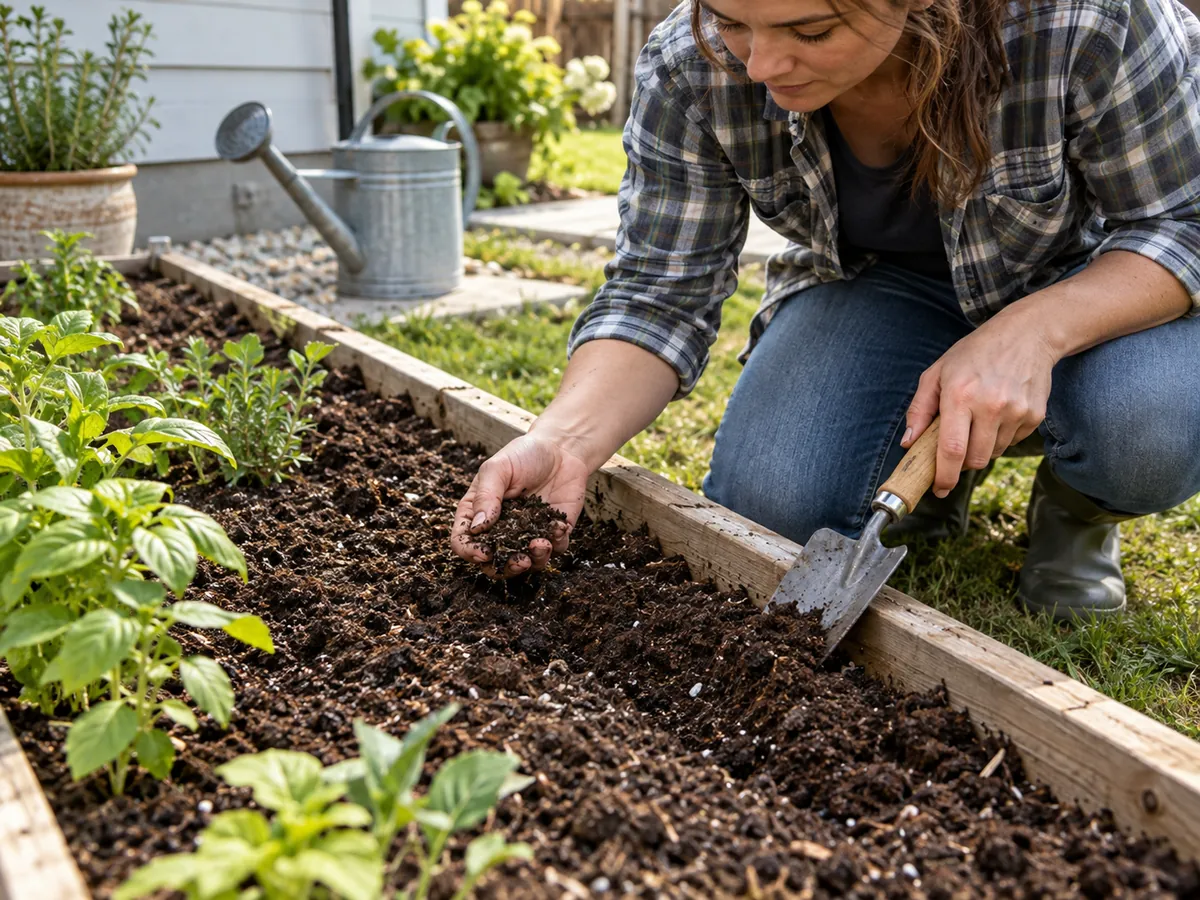
For a new gardener, one 4-by-8-foot bed or a few large containers is a reasonable experiment. It won't supply a household's calories, but it can teach spacing, watering, pest control, harvesting, and the difference between a crop that thrives on your property and one that doesn't.
Spend your money on good soil and a dependable watering setup before decorative fencing or elaborate garden furniture. If the native ground drains poorly or is difficult to improve, a raised bed or containers may be practical. They also dry out more quickly than many in-ground beds, which matters in summer.
Don't fill containers with ordinary heavy yard soil and expect predictable drainage. Use a potting mix intended for containers. For in-ground beds, a soil test can tell you about pH and nutrients before you spend money on amendments the ground may not need.
Mulch can moderate soil temperature and slow evaporation. Keep it away from plant stems. Think of it as a useful part of routine care, not a replacement for checking the soil beneath it.
Plant for your growing season, not the seed packet photograph
A gardening calendar is local. Frost dates, intense summer heat, rainfall, and pest pressure can shift the best planting window by weeks or months. Someone in northern Michigan and someone in east Texas should not follow the same schedule.
Use your state Cooperative Extension planting calendar as the starting point, then adjust based on your yard. In much of Texas, for example, spring and fall can be separate growing opportunities, and some cool-season crops may do better in fall than in the hottest part of summer. In cooler regions, the growing season may be short enough that indoor seed starts or quick-maturing varieties make more sense.
Read the days-to-maturity figure carefully. It's an estimate under suitable growing conditions, not a promise. A plant that matures in sixty days on paper can take longer when temperatures are wrong, roots are stressed, or pollination is poor.
Choose just three or four crops for the first round. That leaves room to learn without having every possible problem appear at once.
Choose crops for usefulness, not impressive yields on paper
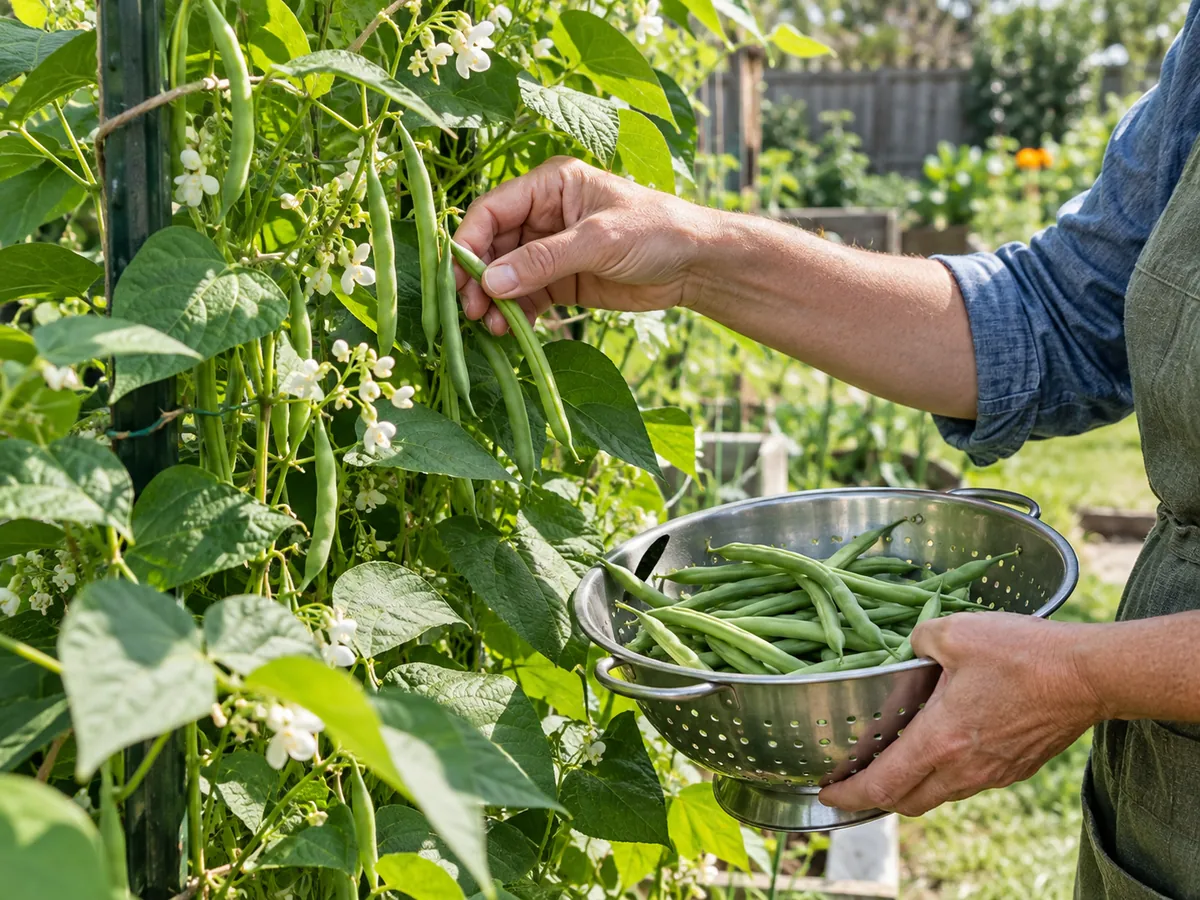
Bush beans are a good beginner crop where the season suits them. They are relatively manageable, but most varieties give you a concentrated harvest over a short period. Pole beans require support and may produce over a longer window. That difference matters if you'd rather pick a little each week than process a large basket all at once.
Tomatoes are valuable in kitchens that use them, but they can attract insects, struggle with high temperatures, and require support and consistent watering. Cherry tomatoes can be productive, but don't plant six vines simply because the transplants are inexpensive.
Sweet potatoes can be useful where the warm season is long enough, though the vines need space and harvest timing matters. Winter squash stores better than many tender vegetables after proper curing, but some varieties sprawl extensively and are vulnerable to pests. Potatoes offer familiar meals yet require suitable planting conditions and storage practices.
Herbs and greens can earn their space through repeated small harvests. They won't supply emergency calories, but they can improve the flavor and variety of stored foods. That's a real contribution, even if it isn't what makes a garden self-sufficient.
Water the roots instead of guessing at the leaves
Plants can wilt for several reasons, including too little water, too much water, heat, and root disease. Seeing drooping leaves at 3 p.m. doesn't automatically mean the soil is dry.
Check below the surface. If the root zone is dry, water slowly enough that moisture penetrates rather than running off. Drip irrigation or a soaker hose can make consistent watering easier, especially when connected to a suitable timer and monitored for leaks. Mulch can reduce water loss between irrigations.
A container can dry out rapidly in heat, while heavy clay may remain wet much longer. A fixed watering schedule is useful only until the weather changes. Learning how your particular soil holds moisture is more reliable than following a rule that says every plant needs the same daily drink.
This is also where preparedness meets limits. A garden that depends on uninterrupted municipal water is vulnerable during a prolonged outage. Keep drinking water needs separate and ahead of garden irrigation. The trade-offs among household containers in our water storage comparison are relevant when you're deciding what limited stored water can realistically support.
Expect losses and learn from them
Few productive gardens have perfect leaves. Some insects are harmless or beneficial; others can damage a crop quickly. Learn to identify the pest before spraying anything. Read product labels carefully and use only treatments approved for edible crops where needed.
Airflow and spacing can reduce some disease problems. Support vines before they collapse over neighboring plants. Rotate crop families when possible, remove badly diseased material, and keep weeds from overwhelming seedlings. Good gardening isn't a constant battle with nature, but it does require paying attention.
Write down what fails. If cucumbers succumb to disease every year in one corner, that's information. If beans produce better in an earlier planting window, record it. If birds eat every ripe tomato, protect the crop before it ripens next year rather than buying more plants.
Count what reaches the kitchen
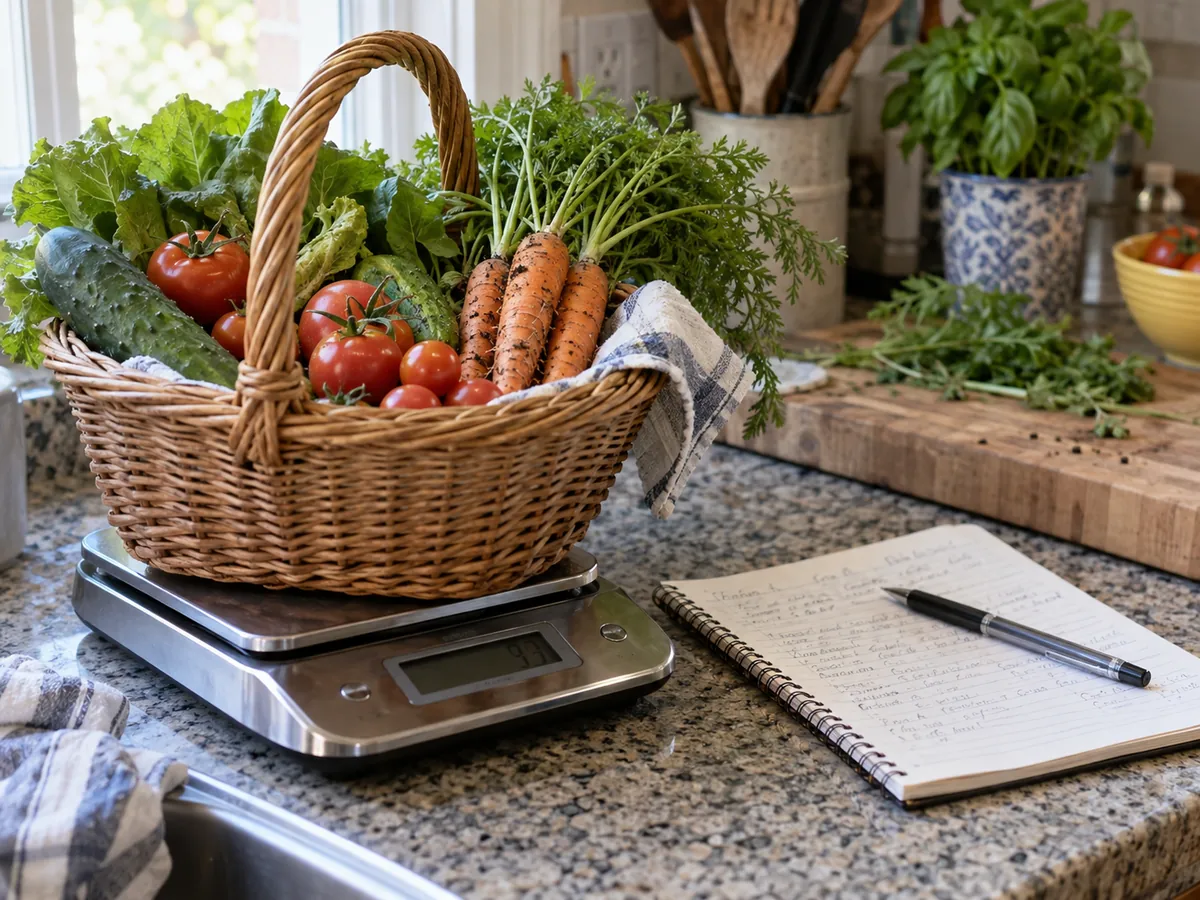
This is the part most people skip. Keep a small harvest log, even if it's nothing more than a note on the refrigerator. Record the crop, approximate weight or number of servings, and whether the family used it.
A bed that produces fifteen pounds of vegetables you eat is different from one that grows thirty pounds you give away or let spoil. Both may be enjoyable, but only one is contributing directly to the household food plan.
A few rough numbers make future decisions easier. If one plant provides enough peppers for ten dinners, you can plan the next season around that result. If a crop uses a lot of water for almost no harvest, consider another variety, different timing, or something better suited to the space.
Preserving food creates a separate set of skills. Freezing needs reliable power, dehydration needs the right conditions and storage, and home canning requires tested recipes and correct equipment. Never improvise processing times or methods for low-acid foods. You can enjoy fresh produce without making preservation part of your first season.
Build a garden you can keep using
In the first season, aim to finish with a functioning bed, a handful of crops that worked, and enough notes to improve next time. In the second season, add a succession planting or a new crop suited to a different part of the year. Expand only after you know how much time, sunlight, and water the existing space requires.
It's tempting to call a garden a survival system the moment seeds go into the soil. A more useful measure is whether you can keep it productive through ordinary interruptions: a busy workweek, a dry spell, a pest outbreak, or a missed harvest.
The best first-year outcome isn't a backyard that looks like a magazine. It's knowing what you can grow, what your family will eat, and what you're capable of repeating next season.