If a Fire Starts in Your Home, Do You Know How to Get Out?
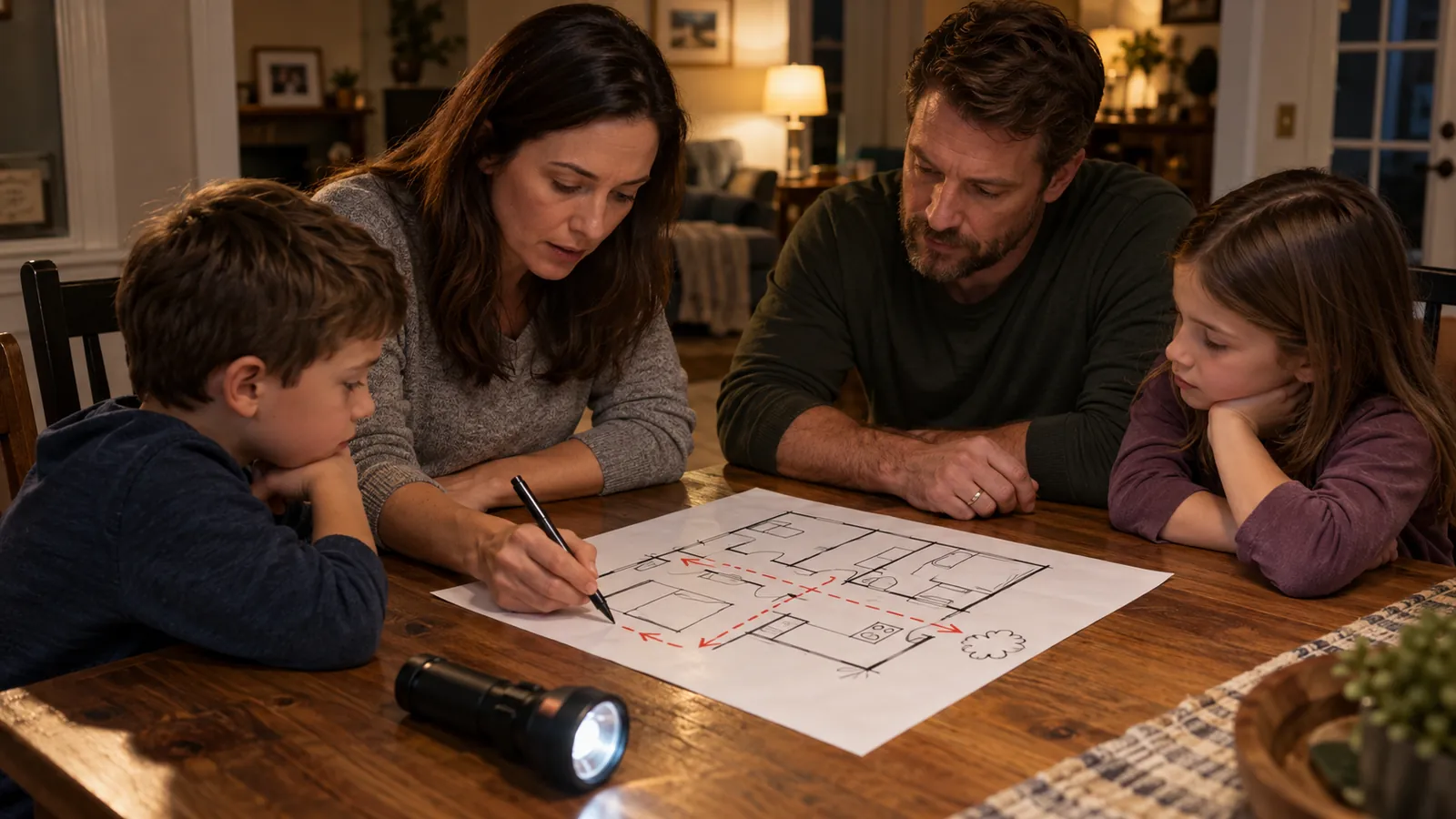
Most of us know where the front door is. That isn't the same as knowing how to escape a house fire.
Picture waking to an alarm at two in the morning. The hallway looks dark. You can smell something burning, but you can't see where it started. You need to decide quickly whether that familiar route to the kitchen and front door is still safe.
The difficult part of a home fire isn't finding all the things you'd like to save. It's getting everyone out while there's still a way to do it. Smoke can make an ordinary room unrecognizable in moments. The U.S. Fire Administration warns that households may have less than two minutes to escape after a smoke alarm sounds.
That's why the best fire-preparedness purchases are not necessarily the ones that look impressive in an emergency kit. Working alarms, usable exits, and a plan practiced in ordinary daylight are more valuable than another gadget sitting unopened in a drawer.
Walk through your house as though the hallway were blocked
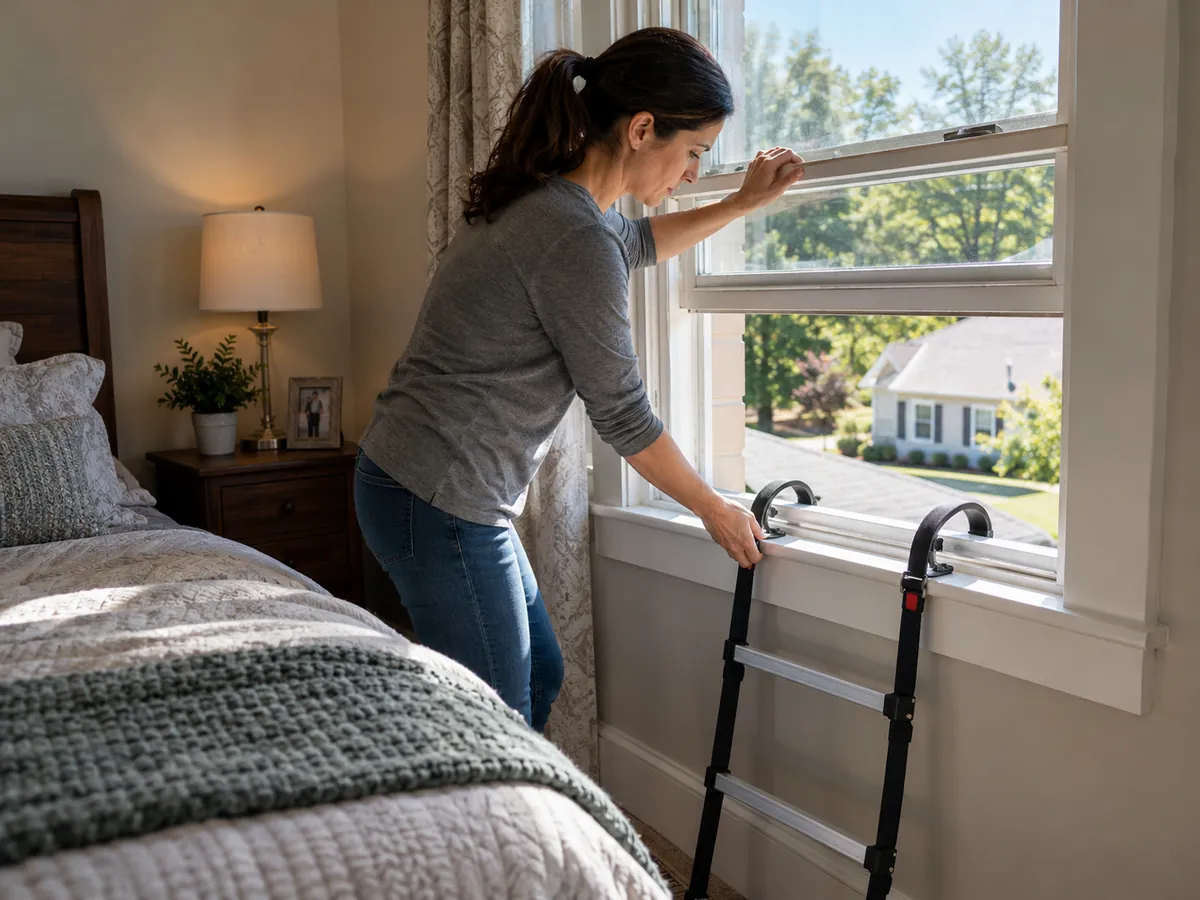
Stand in each bedroom and identify the normal exit. Then imagine you cannot use it. What's the other way out?
For a ground-floor bedroom, a window may provide a second route. But only if it actually opens, someone can operate it in the dark, and the drop outside is manageable. A window painted shut or covered by security bars without an emergency release isn't a useful exit. Upstairs rooms may need a suitable emergency escape ladder and practice using it according to the manufacturer's directions. Never treat an untested leap from an upper floor as your plan.
Now look at the routes outside the bedroom. Shoes in the hallway, boxes near the back door, a deadbolt that requires hunting for a key, or a pet gate across a passage can all become serious obstacles when visibility is poor.
The idea is simple: two possible exits from each room, and neither should depend on somebody remembering where a key was left.
Put smoke alarms where they can warn sleeping people
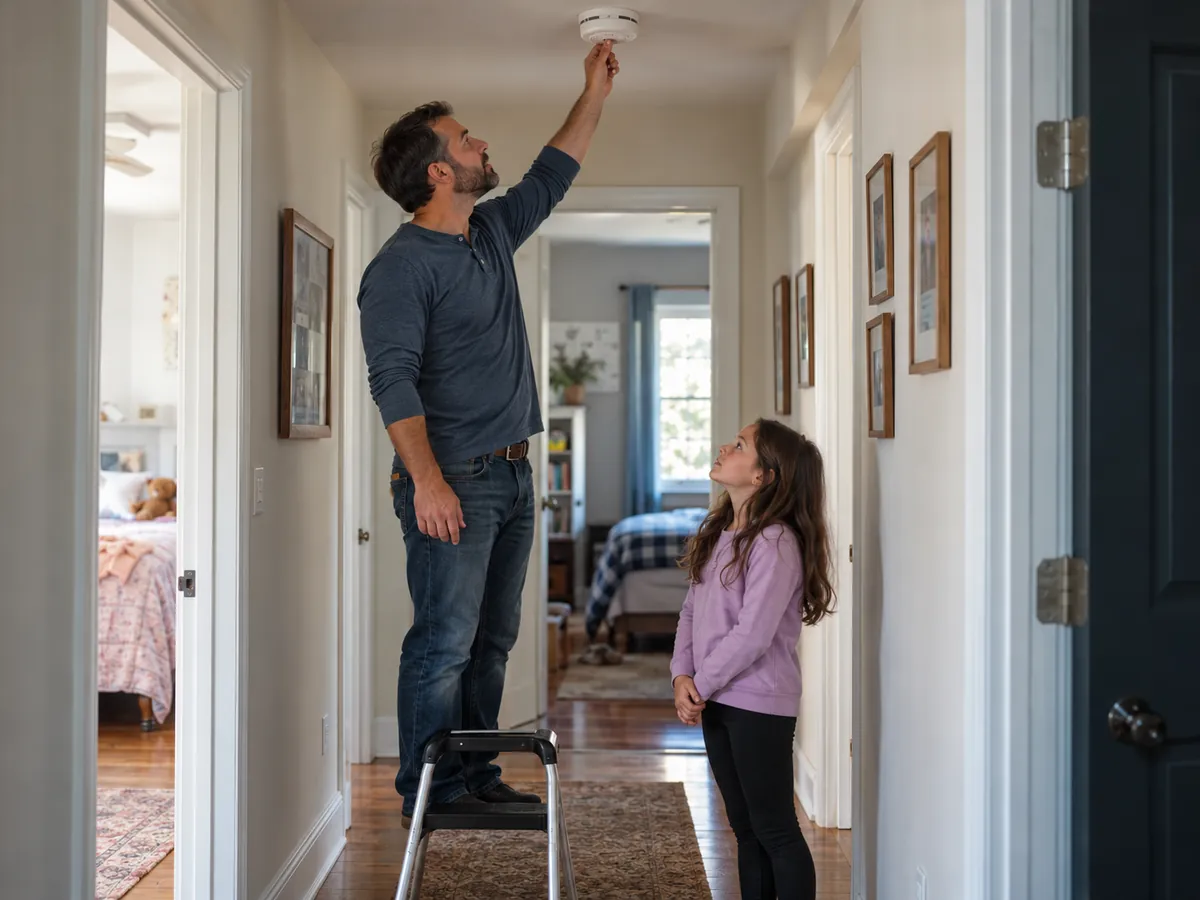
A smoke alarm in the hall is helpful. It isn't a substitute for alarms inside bedrooms, outside sleeping areas, and on every level of the home. Use equipment listed for the intended application and follow its installation, testing, and replacement instructions. Interconnected alarms are valuable because smoke detected in one part of the house can sound the others.
Test the alarms routinely. Replace batteries where applicable and pay attention to end-of-life signals. If an alarm chirps, determine why; don't solve the irritation by disabling it. If someone in the home cannot hear a conventional alarm, investigate compatible alerting equipment designed for their needs.
Sleeping with bedroom doors closed can slow the spread of smoke and heat into a room. But a closed door isn't permission to remain inside while a fire develops. It's one layer of protection while the alarm and escape plan do their jobs.
Carbon monoxide alarms are important too, particularly in homes with fuel-burning appliances or attached garages. They detect a different hazard and do not replace smoke alarms.
When an alarm sounds, don't go looking for the fire
An alarm in the middle of the night should trigger movement toward a safe exit, not a tour of the house to verify the problem. Wake anyone within reach as you leave. If smoke is present, stay low where the air may be clearer.
Before opening a closed door, check for heat and smoke around it. A hot door or smoke entering at the edges is a warning not to open it. Use another exit if one is safely available. If you open a door and encounter heavy smoke or flames, shut it and use your alternate way out.
Once outside, go to the agreed meeting place, call 911, and tell dispatch whether anyone or any pets may still be inside. Don't reenter for a phone, purse, medication, or animal. Firefighters need that information, and they have equipment and training for the conditions inside.
If you're trapped, close doors between you and the fire, call 911, give your exact room or location, and signal at a window. Follow the dispatcher or firefighters' instructions. There is no universal trick that makes a smoky hallway safe to cross.
Decide who helps whom before you have to shout
A plan that says everyone should get outside sounds sufficient until you remember the toddler who sleeps upstairs, the relative who uses a walker, or the dog that hides under the bed when the alarm sounds.
Assign realistic responsibilities to adults and other capable household members. Who helps a child? Who assists the person who needs extra time? Is the route wide enough for mobility equipment? Does the person helping have a second exit if the first is blocked?
Don't build a plan around one person performing several impossible jobs at once. For people with limited mobility or complex care needs, discuss the building layout and evacuation options with local fire officials ahead of time.
Pick an outdoor meeting place that is easy to find and a safe distance from the home, such as a particular mailbox across the street or a neighbor's driveway. Everyone should go there rather than scattering around the yard. That way you can account for people without someone rushing back into danger to look for a person who was already outside.
A 72-hour household outage plan addresses longer disruptions, but a fire is a faster problem. The priority in those first moments is getting out, not retrieving supplies.
Fire extinguishers have a narrower job than people think
A fire extinguisher can be useful for a small, contained fire, but it is not an alternative to evacuation. Only a person who knows how to use the correct extinguisher should consider it, and only if the fire is small, the room isn't filling with smoke, and a clear exit remains behind them. If there's any doubt, leave and call the fire department.
The familiar PASS reminder stands for pull the pin, aim at the base of the fire, squeeze the handle, and sweep from side to side. But knowing the letters doesn't replace hands-on training, checking the extinguisher's label, or understanding whether it is appropriate for the burning material.
A kitchen fire deserves particular caution. Never pour water onto burning cooking oil. If a small pan fire can be controlled without exposure, use the appropriate lid to smother it and turn off the heat if safe. Never carry a flaming pan through the house. If the fire is growing or the safe response isn't obvious, leave immediately.
An extinguisher buried under cleaning supplies or mounted behind a locked utility door won't be much help. Place it where an adult can reach it without moving toward the fire, check its condition as directed, and ask your fire department about practical training.
Make an ordinary evening your rehearsal

Choose a calm evening and walk the escape routes. Don't wait until an alarm is sounding for real to discover that a bedroom window is stiff or that nobody can remember the meeting spot.
Have each person show how they would leave their sleeping area using the primary route. Talk through the alternate route without creating dangerous practice conditions. Test whether young children understand where to go. If a household member needs assistance, practice the arrangement that would actually be used.
Do a second drill in low light using safe visibility, not by creating real smoke or physical hazards. Practice at least twice a year and whenever the household layout changes. New furniture, a renovated room, or a changed sleeping arrangement can make an old plan obsolete.
Once everyone is outside, ask what slowed them down. Did someone stop to collect shoes? Was a door hard to unlock? Did anyone go to the wrong meeting place? These are cheap mistakes to discover during practice.
After escape comes the paperwork and recovery
If a fire displaces you, don't go back inside until authorities say it's safe. Even a house that looks mostly intact may have weakened structure, dangerous wiring, or contaminated debris. Photograph damage only from places you are permitted to enter safely, and contact the insurer as soon as practical.
This is where keeping essential records accessible outside the home pays off. An emergency documents and cash plan can help when your identification, insurance details, bank cards, or medicines were left behind. Those things should be prepared long before an emergency, not gathered during a fire.
You can replace furniture, documents, and the contents of a kitchen drawer. The one thing a fire escape plan is supposed to protect is the opportunity for every person in the home to walk away. Test the alarms, clear the routes, choose the meeting place, and practice while the house is quiet.