The Complete Home Emergency Preparedness Checklist
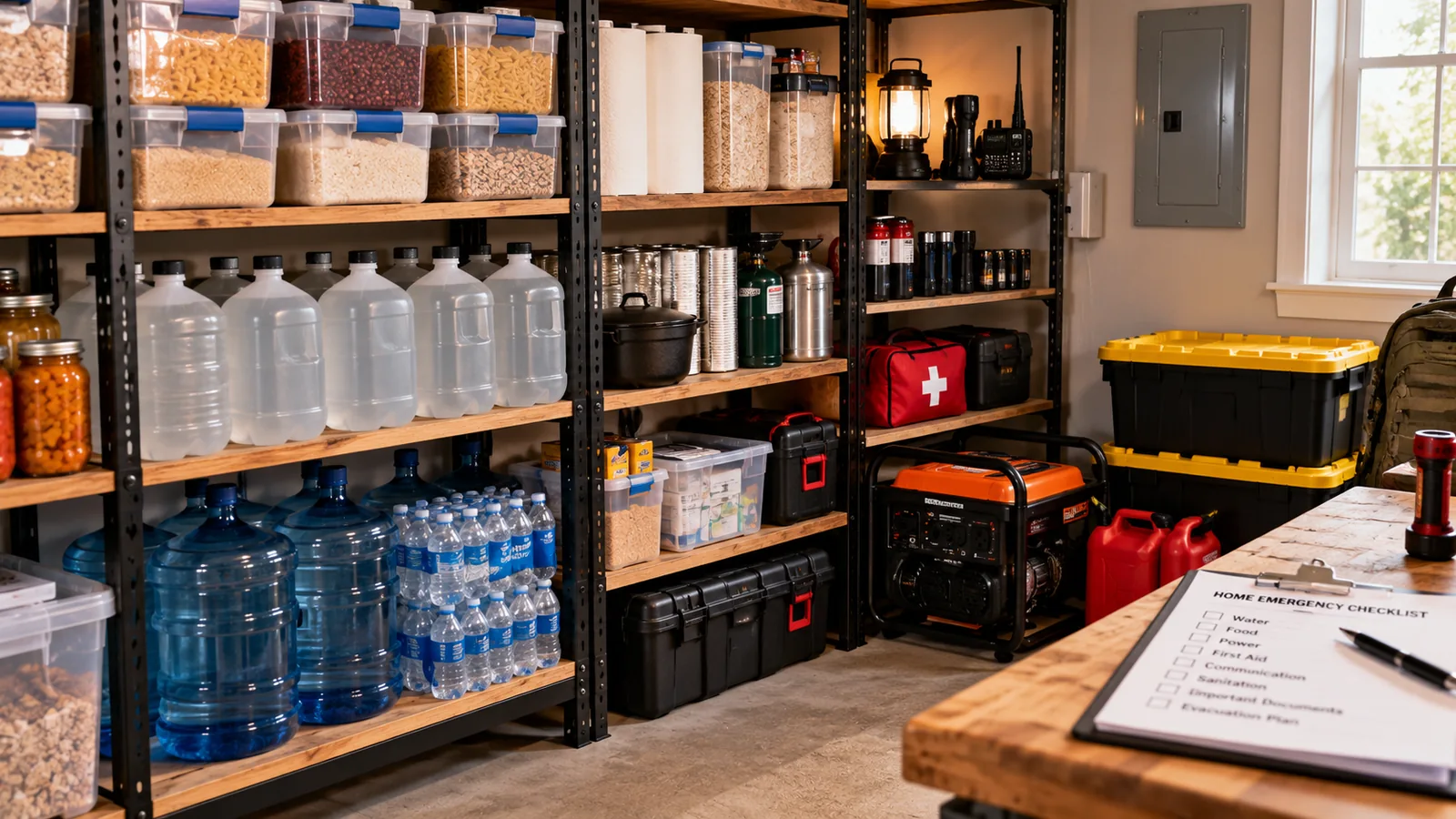
A home can look wonderfully prepared and still have a missing piece that ruins the plan. The garage has a generator, but nobody knows where the transfer equipment is. There are three shelves of canned food and no manual can opener. The family owns four flashlights, all stored in the same drawer nobody can reach in the dark.
That's why a home preparedness checklist needs to do more than count products. It should make you walk through the ordinary things you depend on and ask what happens when one of them stops working.
Don't try to buy your way through the entire list in a weekend. Work through it in passes. Start with the things that protect life, then the things that protect health, then the things that make a difficult week more manageable.
1. Know what can actually happen where you live
Begin with your address rather than a generic catalog of disasters. A home exposed to tornadoes, hail, and long summer power outages needs different preparations from a coastal house with storm-surge risk. Flood maps, local emergency management notices, historical outages, and your insurance documents tell you far more than a survival gear advertisement.
Identify the safest place in the house for the hazards relevant to you. For a tornado, that generally means a small interior room on the lowest level, away from windows, unless you have a designated safe room or shelter. For flooding, that room could be entirely wrong. Know evacuation triggers as well as shelter locations.
The goal is a household decision everyone can explain, not a binder only one adult understands.
2. Make sure every person can contact someone
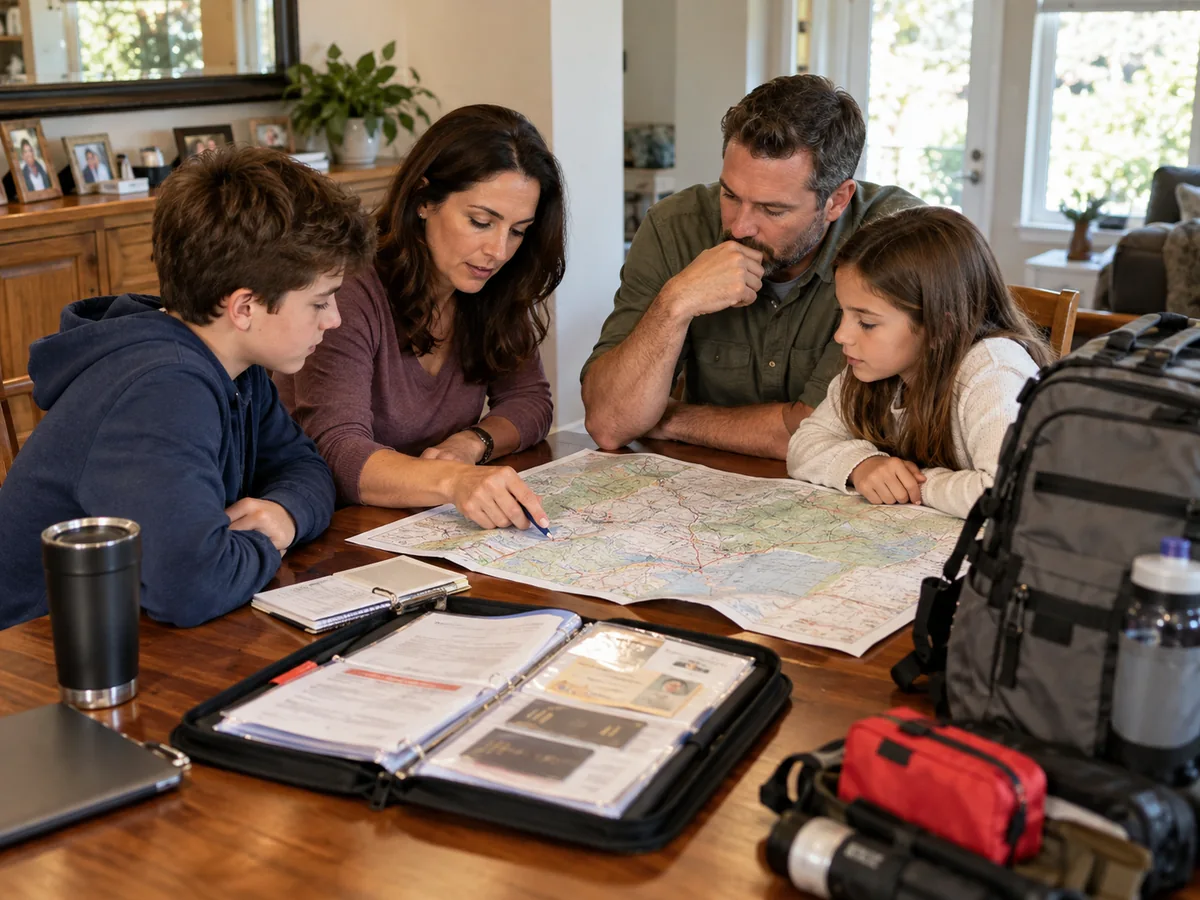
Keep local and out-of-area contacts on paper, not only inside a phone. Agree on a nearby meeting spot and one outside your neighborhood. Tell school-age children how they'll reconnect with you if buses are delayed or schools release students to a different location.
Charge phones and at least one spare power bank. Keep a battery or hand-crank weather radio that you know how to operate. Test the alert settings on your phones and radio. If the network becomes unreliable, your family communication plan should already answer who sends updates and where people meet.
3. Count water before counting gadgets
Use at least one gallon of water per person per day as a basic emergency planning starting point, then increase that amount for heat, illness, pets, or other household needs. Four people planning for three days need at least twelve gallons for that baseline; keeping a larger reserve gives more flexibility.
Check containers for leaks, secure caps, and practical ways to dispense without heavy lifting. Keep drinking water distinct from water intended for other uses. If your area loses water pressure or is issued a boil-water advisory, follow the local utility's instructions; boiling does not fix chemical contamination.
Ask a simple question: could a child or older relative actually pour a drink from the container you've chosen? If not, the storage plan needs a better dispenser.
4. Build a pantry around meals
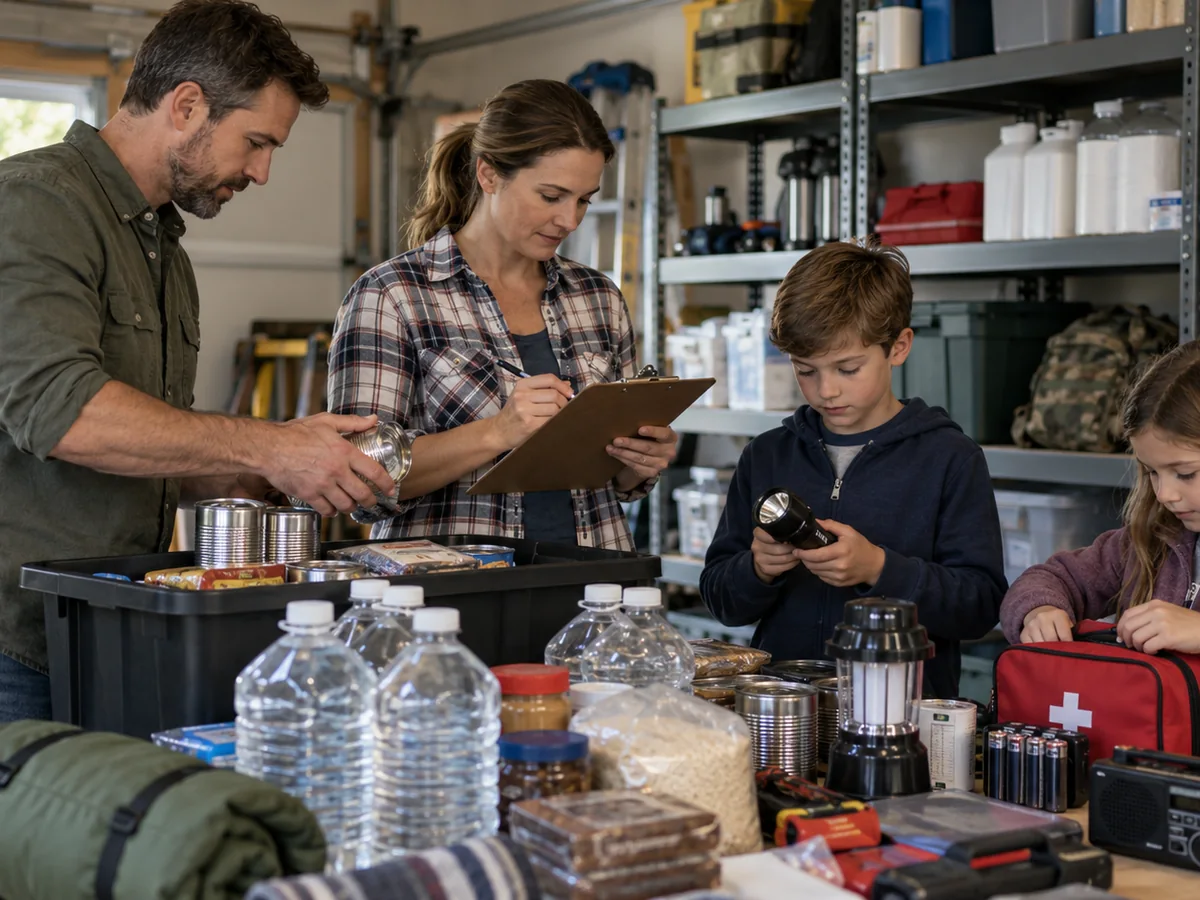
Walk through three days of breakfasts, lunches, and dinners without assuming the refrigerator, stove, or running water will work. A bag of uncooked rice might be a terrific grocery bargain, but it doesn't become dinner without water, fuel, and a cooking method.
Keep a mix of ready-to-eat foods and ingredients you already use: canned beans, meats, fruit, nut butter where suitable, crackers, oats, shelf-stable milk, and seasonings. Account for babies, pets, allergies, and dietary requirements. Rotate food as part of normal shopping rather than treating the emergency shelf like a museum.
If you are planning a 30-day food supply on a budget, start with actual meals and servings rather than guessing from the number of buckets.
5. Plan for light, power, and safe temperatures
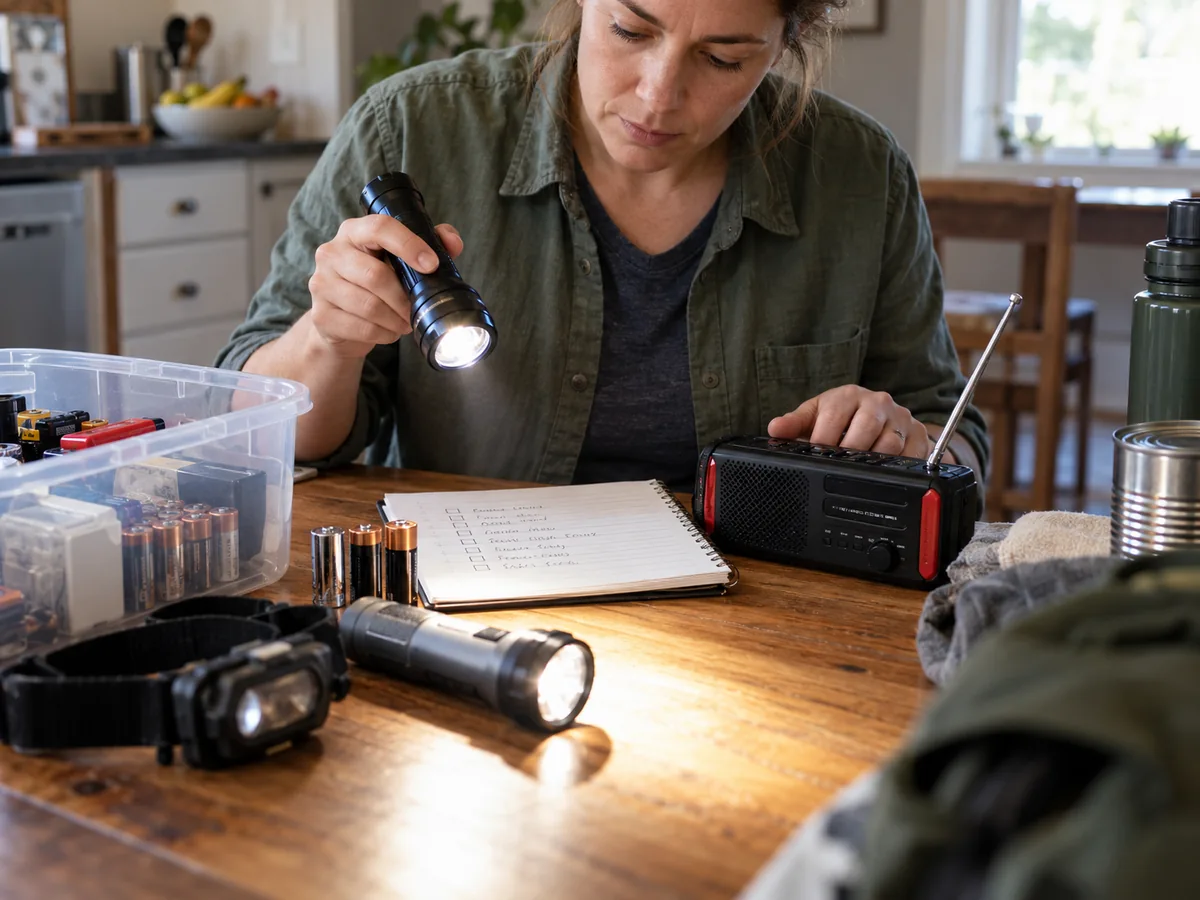
Put a dependable flashlight near each bed and a lantern where the family gathers. Test batteries and charging cables. A portable power station can run some small devices and, depending on its capacity and output, perhaps selected appliances; verify electrical loads and runtime instead of trusting the product label alone.
If you use a fuel-powered generator, operate it outdoors, at least twenty feet from doors, windows, and vents, with exhaust directed away from the building. Never place it in a garage or backfeed your house through an outlet. Install working carbon monoxide alarms with battery backup and test smoke alarms regularly.
Have separate plans for heat and cold. Summer protection may mean moving to a cooling center before the house gets dangerously hot. Winter protection may mean layered clothing, insulation, and relocating when indoor temperatures become unsafe. Don't substitute charcoal grills, ovens, or camp stoves for indoor heating.
6. Learn the house itself
Find the main water shutoff, electrical panel, and gas shutoff. Label anything confusing and show other adults where it is. Gas systems have special safety rules: if you suspect a gas leak, leave and contact the utility or emergency services from a safe location; don't operate switches or attempt an improvised repair.
Keep a suitable wrench or tool where it belongs, but don't assume every utility needs to be turned off after every storm. Learn the instructions from your utility and local officials. Shutoffs can create problems of their own if used unnecessarily.
Take photographs of the electrical panel, major appliances, roof, exterior walls, and valuable household contents for records. Store copies somewhere you can access even if the house is damaged.
7. Make medical needs visible to the plan
Stock a basic first-aid kit and know how to use it. Include bandages, sterile gauze, gloves, suitable wound dressings, and any household-specific supplies. Consider scheduling first-aid, CPR, and AED training rather than merely buying an advanced-looking kit.
Make a separate plan for medications, refrigerated medical products, mobility equipment, hearing aids, and devices that rely on electricity. A family member's medical need is not solved by a generic generator recommendation. Ask the relevant clinician and equipment supplier what safe backup arrangements are appropriate.
8. Think about sanitation while the taps still work
Know whether your toilet can be manually flushed if water supply fails, and whether the sewer system remains safe to use. Keep toilet paper, heavy-duty trash bags, soap, cleaning supplies, and a simple backup toilet arrangement for situations when flushing is unsafe or impossible.
Set up a way to wash hands from stored safe water, including a catch basin so wastewater doesn't spread over the floor. Waste storage and disposal should follow local directions, especially after flooding or sewage backups. Never put human waste near food or drinking-water supplies.
9. Prepare to leave as well as stay
Keep a small evacuation bag for each person with essential medications, clothing, water, identification copies, a flashlight, charging equipment, and supplies tailored to children or pets. Don't pack it so heavily that its owner cannot carry it. Have shoes ready and know how to secure pets quickly.
Maintain your vehicle: fuel, tire condition, charger, map, and basic roadside equipment. Decide where you could stay if returning home is impossible. An emergency kit is useful, but a destination and a way to reach it matter just as much.
10. Put paperwork and money where they're recoverable
Photograph important documents and keep secure backups: identification, insurance policies, prescriptions, property records, and emergency contacts. A small amount of cash in sensible denominations helps during payment outages. Review deductibles and coverage before storm season, particularly for flood risks that ordinary homeowners policies may exclude.
If you need to evacuate, know which physical documents you must take. The objective isn't to carry a filing cabinet; it's to recover your household's identity and finances if the building cannot be entered.
11. Check the unglamorous parts of the house
Clear drains and gutters safely. Secure outdoor furniture before storms. Keep exits accessible. Check fire extinguishers and know when to evacuate instead of fighting a fire. Test door and window locks, exterior lighting, and smoke and carbon monoxide alarms. Fix obvious trip hazards that become worse during darkness.
Introduce yourself to a neighbor you trust. Preparedness gets easier when somebody nearby can check a house, share information, or tell you a road is blocked.
12. Run one ordinary practice evening
Turn off the main lights for an hour, but don't create an unsafe situation for someone who depends on powered medical equipment. Can everyone find a flashlight? Can you open dinner without an electric appliance? Are phone chargers where you expect them? Does the family know the meeting place and where the water is stored?
Write down the problems that actually surfaced. Fix the three most important ones before buying anything else.
A useful checklist isn't the one that looks most impressive on paper. It's the one that finds the weak points in your actual home and gives you a sensible order for correcting them. Start with one shelf, one room, and one conversation. Then keep going until the plan works for the people who live there.